Why buyers are choosing new builds over existing homes – John McGrath
The new housing market continues to attract home buyers, especially those buying for the first time. There’s good reasons for this, including government assistance programs. Buying brand new can also mean less stress and gives buyers the option of moving into “turn key” or ready-built properties, often in rapidly growing locations.
The latest NAB Residential Property Survey highlighted that in the June 2025 quarter, first-home buyers (FHB)s’ market share of new housing increased to 40%. Up from 34.2% in the March quarter, this is the highest new housing figure for FHBs since December 2022.
Unfortunately, high construction, infrastructure, labour, and land costs continue to delay new development. The Housing Industry Association (HIA) and Cotality’s Residential Land Report in February showed that residential land prices across the country have escalated by more than 500% since 2000. Construction costs and the cost of skilled labour grew by around 150%.
At the same time, these issues haven’t swayed new home buyers, with another HIA report finding that new home sales in the five largest states reached a three-year high in September 2025. Sales in the three months to October 2025 were also 8.1% higher than the previous quarter. And, while the volume of these sales dropped by 9% in October itself, they were still higher than any other four-week period in recent years.
Yet government schemes alone mean it’s unsurprising that new builds are attractive to FHBs, with First Home Owner grants enabling them to enjoy a substantial reduction on buying or building a new property.
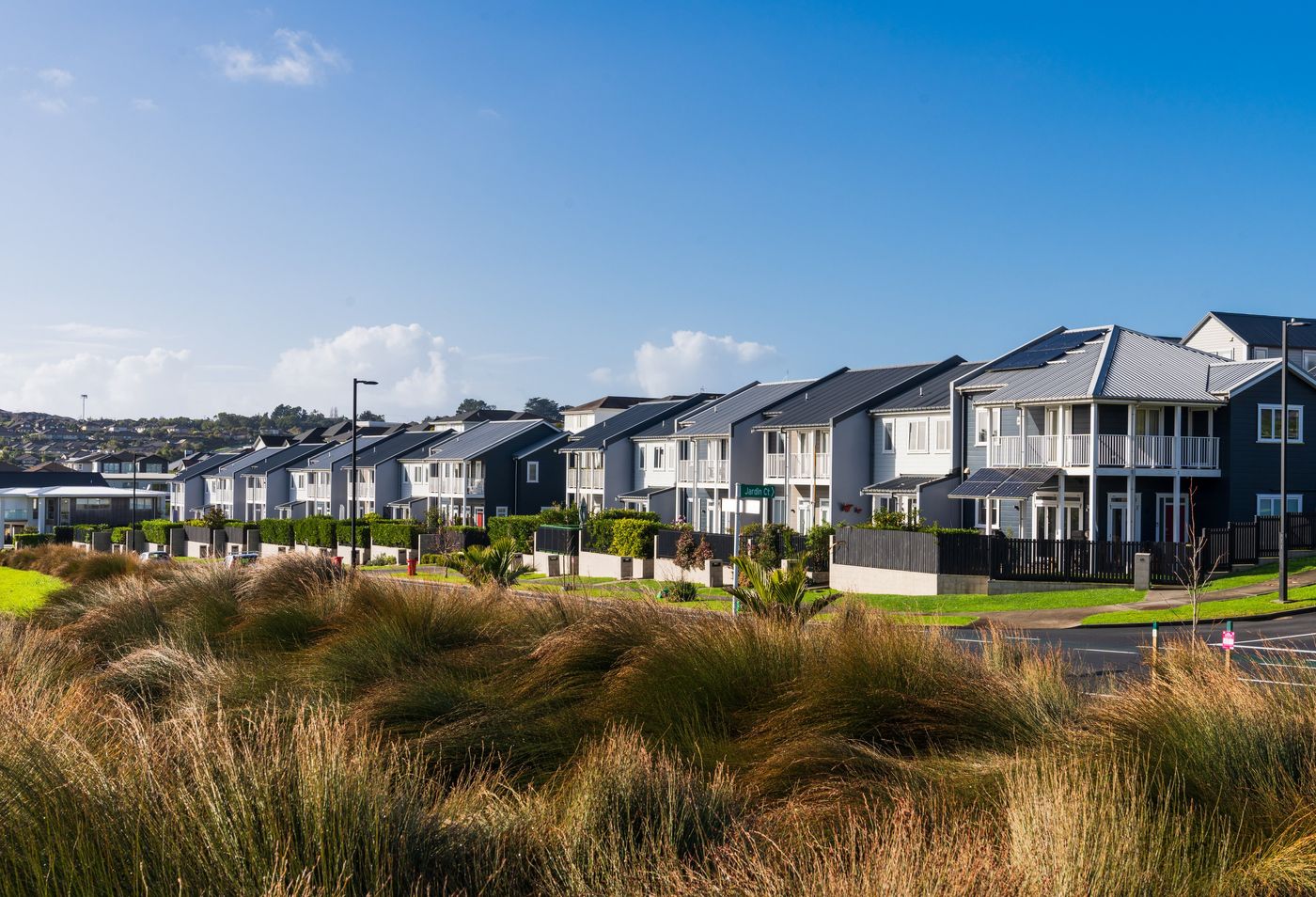
House and land packages, especially those in outer-ring locations, can hold more appeal to FHBs. For a start, these plans can result in less short-term buyer stress, with some developers offering standard property layout designs with fixed colours and materials. Other developers offer “turn key” or ready-built houses. New build buyers can also choose from infill or greenfield developments, or off-the-plan townhouses or apartments.
These positives can negate the need for costly and worrying short-term renovations, at least. In addition, newer areas offer the potential of high appreciation and good rental appeal.
Ripley Valley, in Ipswich, west of Brisbane, is a perfect example of just how popular such new locations can be. The former farmland location was designated as a Priority Development Area in 2010, and is now one of Australia’s fastest-growing urban locations with up to 50,000 new properties approved for the area. It is also forecast to house 120,000 people or more by 2040.
Since major building works began in Ripley in 2010, property prices have rapidly increased as well. Older houses in the region sold for around $300,000 in 2010, but some particularly large properties have sold for $1 million and more in the past few months, according to realestate.com.au.
On the other hand, there are hidden costs to new builds. Think developer margins, unexpected construction expenses and delays, and marketing and other fees, including the price of purchasing the land. You will also need to find a reputable development company and builder.
I certainly believe we’ll see more house-and-land packages, turn key properties, master-planned communities, and similar in the future. So, if you are keen to buy a new home, there are plenty of options, and locations, to choose from.

By
John McGrath
April 13, 2026
3 min read
Share this Article