The new year holds promise of a fresh market cycle - John McGrath
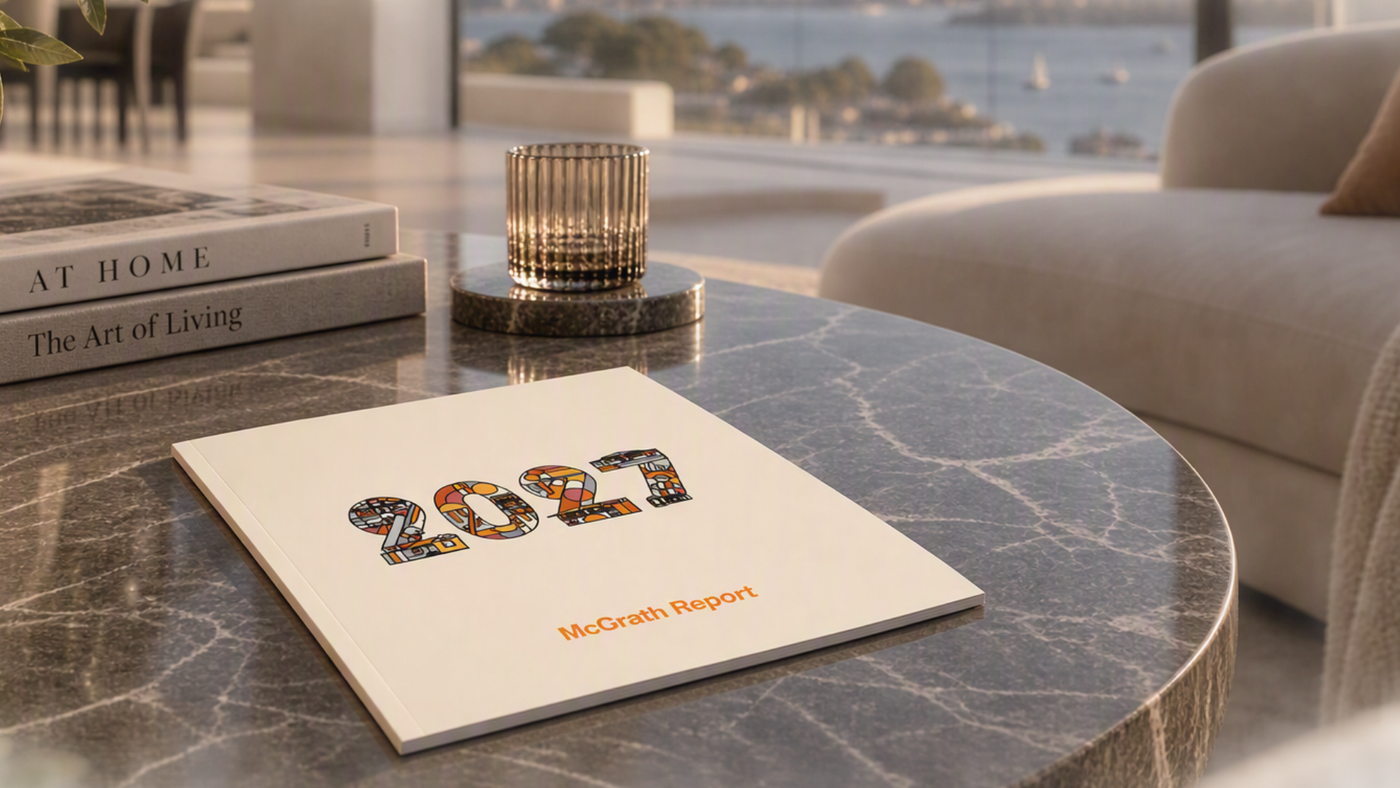
Last week, we released the McGrath Report 2027 in which we analyse key property issues, important trends, and my top suburban and regional suburb picks in NSW, Queensland, Victoria, and Tasmania.
The past 12 months certainly haven’t been dull. Following a period of strong growth, particularly in our mid-sized capitals, we’re now experiencing a substantial correction across the country.
As I’ve said previously, there’s no such thing as “one market” in Australia. While most markets favoured sellers until February/March this year, since then, most have swung sharply in favour of buyers.
This is my eighth market correction since I entered the industry more than 40 years ago but it feels like the fastest fall in values I can remember.
On the street, most big metropolitan markets are down 10–15% in the past six months, and some are down 20%. The regional markets have plateaued, but they’re likely headed for a 7–10% correction over the next 12 months.
Saying this, I believe the worst should be behind us.
History suggests our big cities are close to the bottom, with Australia’s last five corrections lasting an average of 12.2 months. Seven of the last corrections saw values fall less than 8% while the average price decline was 6%.
In more good news for those who buy now, historically, markets have gained an average of 32% over the three years following corrections.
But a market stabilisation in the near future depends on three things: an end to interest rate rises, unemployment not blowing out and a resolution of the war in the Middle East.
The current 4.6% interest rate is the highest in 15 years and follows four hikes by the Reserve Bank of Australia (RBA) this year. Forecasts for tomorrow’s interest rate announcement aren’t promising, with another increase possible at this meeting or in December.
Meanwhile, an uninspiring Federal Government continues to tax the golden goose called property. Investors now have to contend with Budget policies which will end negative gearing on established homes and wind back capital gains tax discounts, and which won’t fix affordability.
If anything, the policies will block the greatest path most Australians have to financial freedom: residential property.
Has anyone told the government that on a newly built $1 million apartment in Sydney, around $380,000 (close to 40%) goes to local, state and federal taxes, charges and regulatory costs.
The Housing Industry Association (HIA) also points out that housing is the second most taxed sector in Australia, behind only alcohol and tobacco.
A lot of investors are now just staying out of the market. The trickle-down effect from the May budget is also horrific with people who earn their income from the property industry being caught up in the massive property downturn.
On a positive note, this year’s McGrath Report examines two trends that are helping the market.
Firstly, how AI is transforming real estate and secondly, how biophilic design is shaping residential living, with important insights from award-winning architect Adam Haddow. This form of design is boosting our mental health and overall wellbeing and it’s helping our budgets.
Having been through a number of corrections, I’ve learnt one thing: property and economic cycles are guaranteed to come and equally guaranteed to go. I believe the cycle is turning and we will be into a new one before the end of this financial year.
You can view the McGrath Report 2027 here.

By
John McGrath
November 29, 2026
2 min read
Share this Article