Sydney’s market is closer to a turning point than many think - John McGrath
Sydney remains a worthwhile choice for home buyers, including investors and owner-occupiers, and there are some good reasons for this point of view.
While this city’s median values are still the highest in the country, there are several hidden gem hotspots in Sydney that fly under the radar of their more well-known and more pricey neighbours.
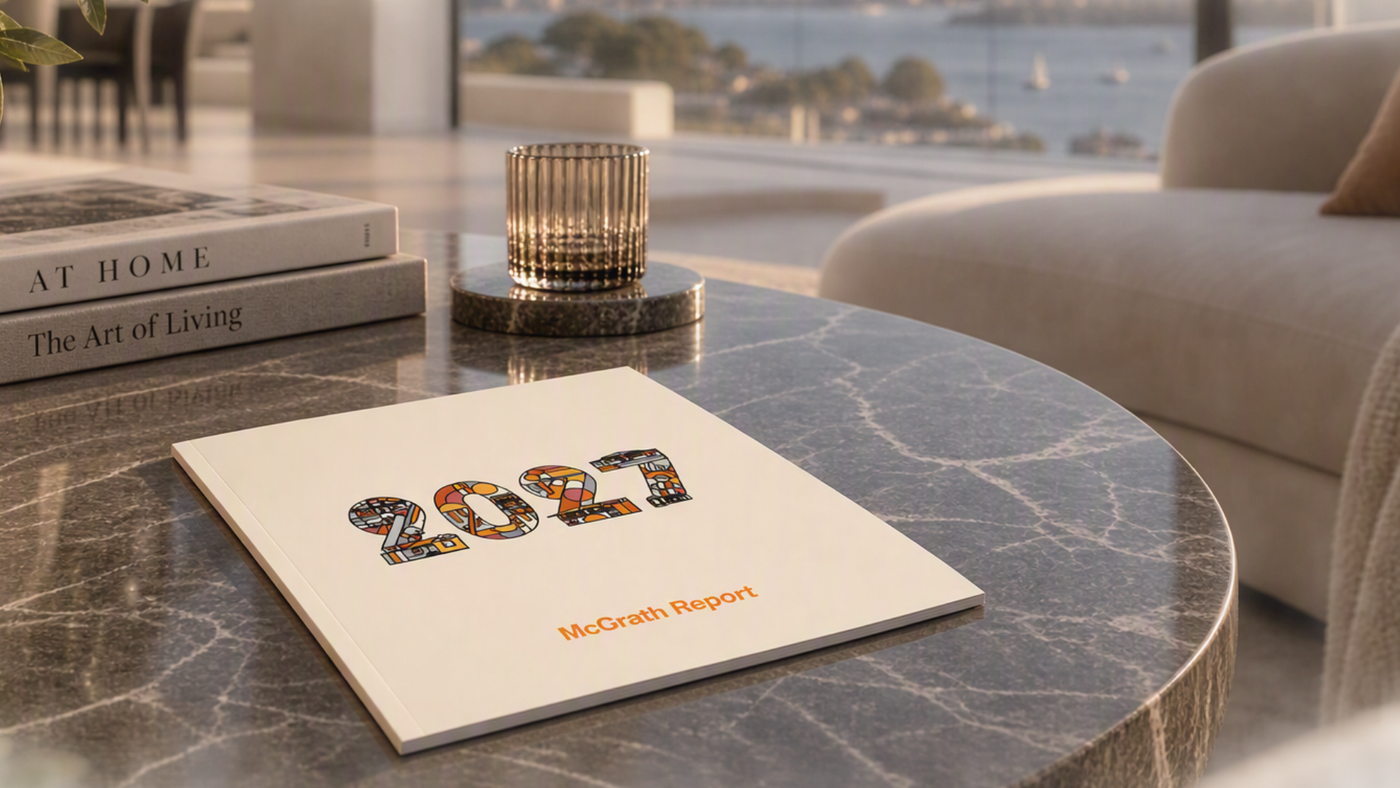
As we explore in our recently released McGrath Report 2027, these suburbs have excellent amenities and infrastructure as well as a great choice of eateries and markets.
New infrastructure is another reason why Sydney should not be overlooked with the city featuring Australia’s newest international airport and our largest public transport project.
Sydney Metro is already connecting the city’s western areas to the CBD with the latest Southwest section opening on October 30, five days after the Western Sydney International Airport saw its first passenger flights.
Construction on Sydney Metro’s two final sections are now underway with one of them being the rail line connecting the CBD to this airport.
Work on the second stage of the Parramatta Light Rail linking Parramatta to Sydney Olympic Park is moving ahead as well.
At the same time, rising interest rates, the ongoing conflict in the Middle East and taxation reform announced in May’s Federal Budget have combined to weaken the Sydney housing market.
From a peak level of $1,296,039 in February, dwelling values have declined by -10.1% to reach a median $1,178,959 million, according to Cotality’s November Home Value Index. This decline is above that of the 2022-2023 correction but the city’s median is still the highest in the country, second only to Brisbane’s $1,018,401 figure.
However, Cotality notes that Brisbane and Perth have now overtaken Sydney with the fastest pace of declines.
Vacancy rates in Sydney are now 2.5%, which is the highest of all mainland capital cities while its annual rent increase of 4.4% is the lowest in the country after Canberra.
Investors potentially abandoning the market following the Budget announcement could reduce rental stock. But the gap left by investors could bode well for owner occupiers who will face less competition for well-priced properties.
The softening of the market will also be welcomed by those looking to buy, in particular first home buyers wanting to make use of government incentives.
While Sydney’s western suburbs are not faring too well right now, some of my top suburb picks for buyers are the inner-west suburbs of Campsie and Glebe.
With a wonderful cultural mix, I’d say Campsie may well be the new Marrickville, which I declared was the “new Paddington” a few years ago and watched it boom.
Meanwhile, it’s hard to believe that the historic suburb of Glebe is still affordable let alone having a new world-class fish market and extraordinary coffee spots.
I also like Sandringham, a small, tightly held bayside suburb with everything going for it – but it still flies under the radar, unlike its well-known neighbour Sans Souci.
If you’re looking for a little hidden gem between two higher-profile glamour suburbs, look at Roseville Chase. ‘The Chase’ is a tiny area that may just offer you 10% more because she’s not on many radars.
And while just a podcast away from Sydney, the little known suburb of Wamberal on the Central Coast is attracting families and retirees alike for its laidback coastal lifestyle.
Importantly, cities such as Melbourne and Sydney tend to fall fastest and recover fastest. Sydney is also traditionally the first market to recover from a downturn and as I now believe the big cities are close to the end of their property value decline, the tide could be about to turn in Sydney.

By
John McGrath
November 16, 2026
2 min read
Share this Article