Seachange/treechange broadens to city switch - John McGrath
It used to be the case that people who were priced out of expensive capital cities would do a seachange/treechange relocate to an affordable satellite town within commuting distance for work.
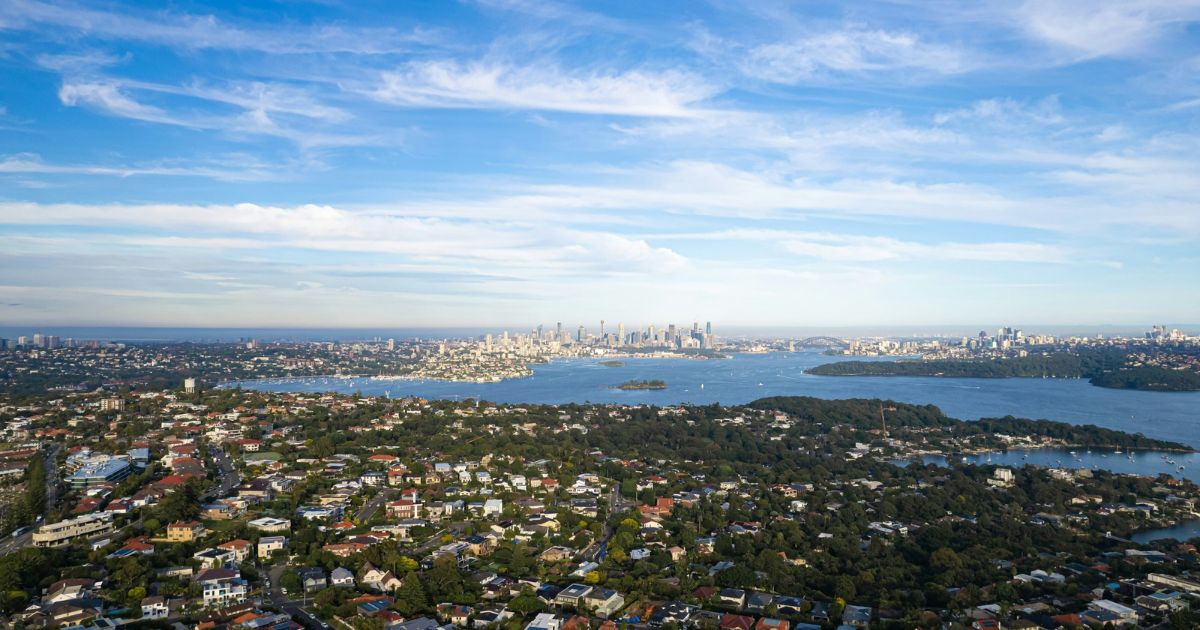
For example, Sydneysiders would look north to the Central Coast or south to Wollongong, while Melburnians would look west to Geelong or Ballarat, or south to the Mornington Peninsula.
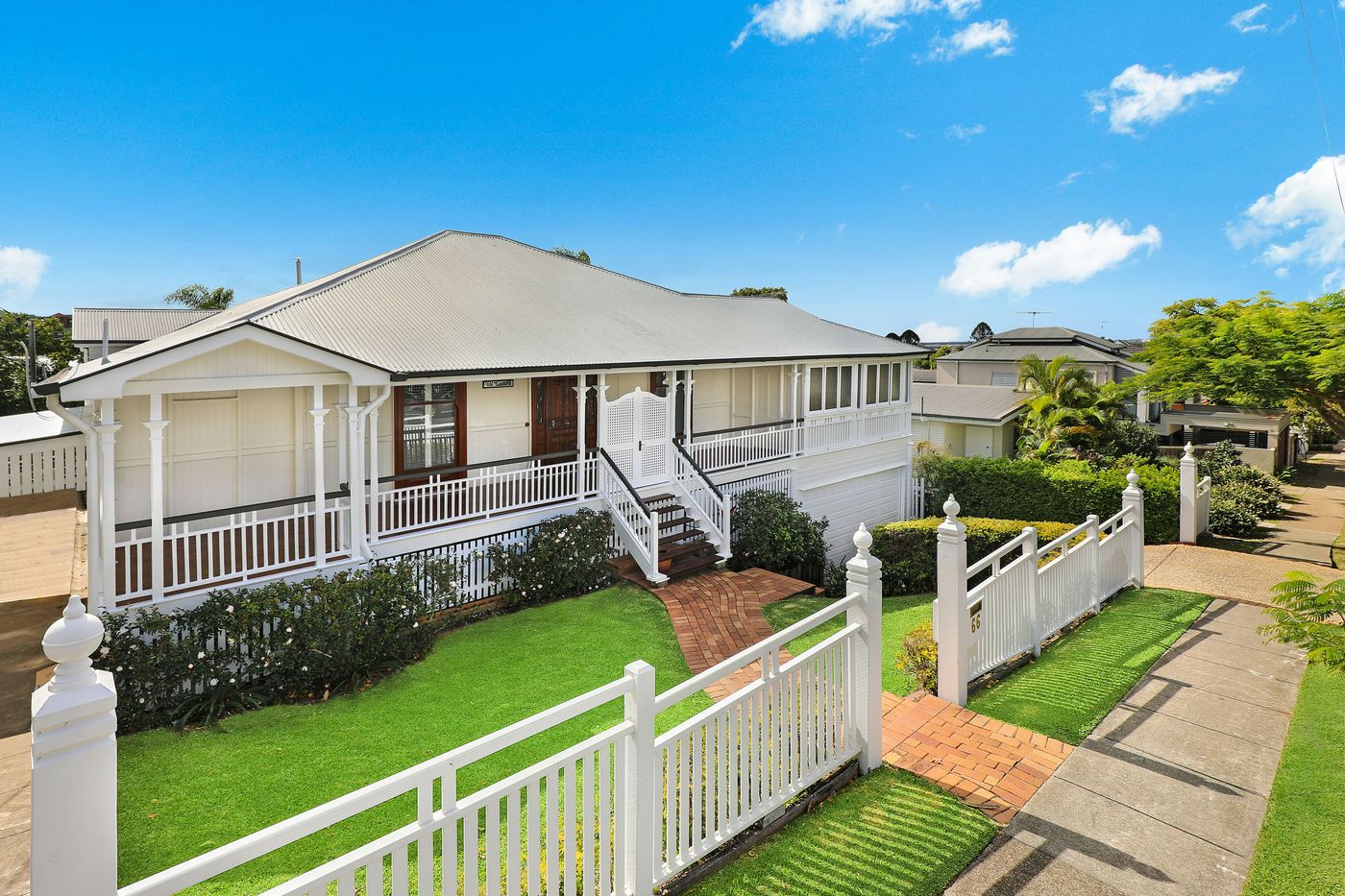
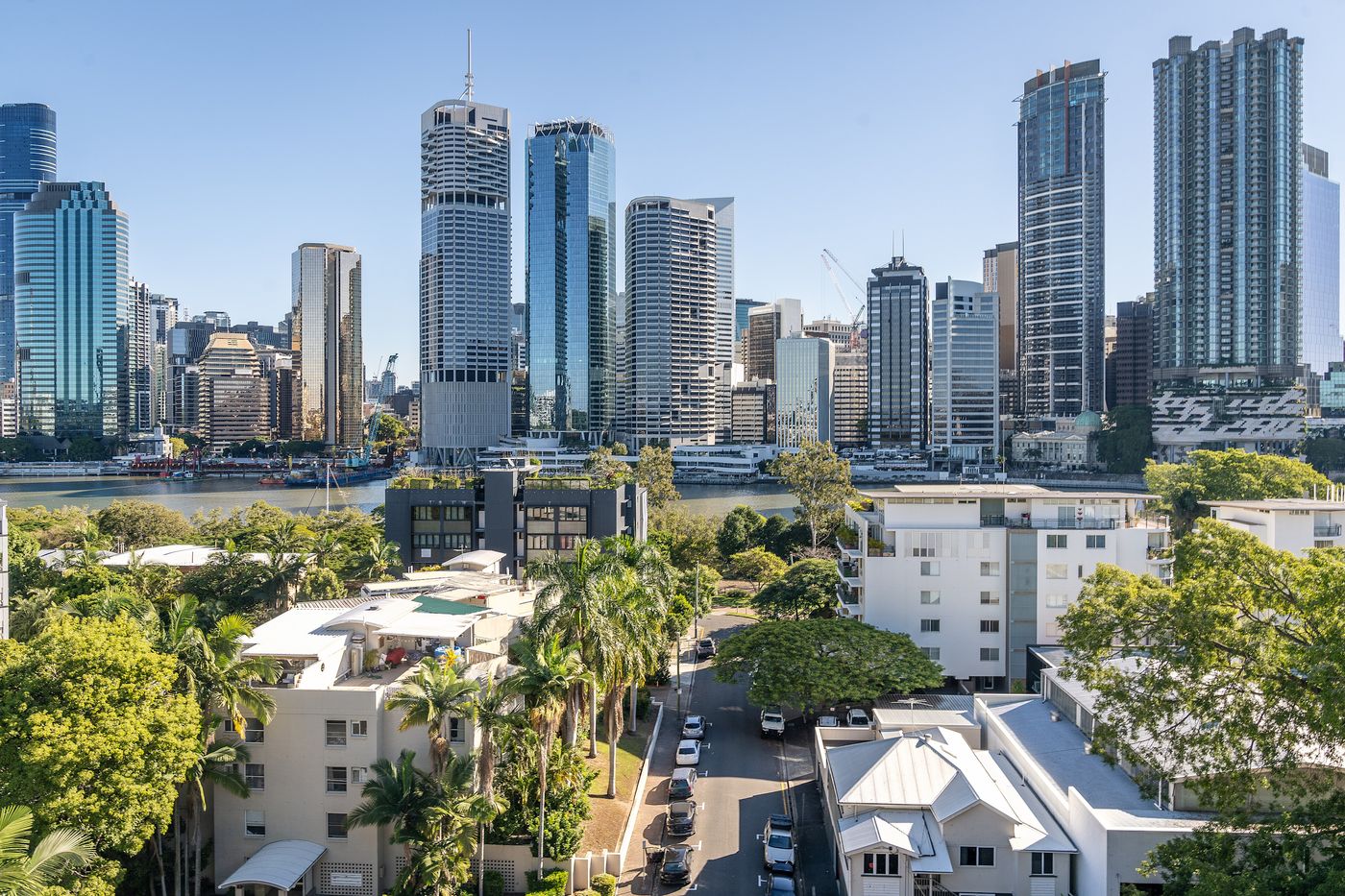
Today, seachanging and treechanging has broadened to city switching, with more people opting to move states to retain the buzzy city lifestyle they love in a smaller and more affordable capital city.
This trend accounts for a large part of the price growth we’ve seen in Brisbane, Adelaide and Perth over the past two years. The city switching trend started after the COVID boom in 2021 and during the subsequent market correction in 2022. In 2023, home values in Brisbane, Adelaide and Perth rose by 13.1%, 8.8% and 15.2%, respectively. In 2024, prices continued rising by 11.2%, 13.1% and 19.1%, respectively.
Despite this strong growth, Brisbane, Adelaide and Perth still offer better housing affordability than Sydney and comparable affordability to Melbourne.
The latest CoreLogic data puts median house prices at $981,000 in Brisbane, $879,000 in Adelaide and $839,000 in Perth, compared to $1,473,000 in Sydney and $929,000 in Melbourne.
But it’s not just housing affordability that is driving people to relocate to Brisbane, Adelaide and Perth. If that were the only factor, the city switch trend would have started long ago.
Arguably, the biggest social change COVID brought about was the option for many people to permanently work from home. This meant people could live anywhere, and the city switching trend shows many people prefer cosmopolitan city living over a slower-paced regional lifestyle.
Population data released by the Australian Bureau of Statistics (ABS) last month shows all capital cites experienced growth in FY24. However, growth was strongest in Perth at 3.1%, followed by Brisbane and Melbourne at 2.7% each, then Sydney at 2%, Canberra at 1.6% and Adelaide at 1.5%.
Digging down into the numbers allows us to see the city switching trend at play.
The only two capital cities that recorded net internal migration gains (that’s the number of people moving there from another part of Australia less the number departing) were Brisbane and Perth. The largest net internal migration losses were in Sydney and Melbourne.
The ABS also noted that population growth was greatest in the more affordable outer suburbs of the capital cities and “was driven by people moving into these areas from other parts of Australia”.
But not everyone relocating to smaller capital cities are doing so because they can work from home. Some are moving there because strong economic growth has led to more jobs and higher wages.
CommSec’s latest State of the States report, published last October, found Western Australia had the strongest economic growth of all the states and territories for the first time in more than a decade, followed by South Australia and then Queensland. These cities also had the strongest job markets.
On top of that, average weekly earnings are highly comparable at $1,954 per week in Queensland, $1,857 in South Australia, $2,157 in Western Australia, $1,986 in NSW and $1,928 in Victoria, according to ABS data.
So, it’s a combination of cheaper housing, remote working, growing state economies, and equivalent or better pay that is driving more Australians to try small city living.
These city switchers get to enjoy many of the same lifestyle benefits and job security as they had in Sydney or Melbourne, but with cheaper mortgages and less traffic congestion.

By
John McGrath
April 21, 2025
4 min read
Share this Article