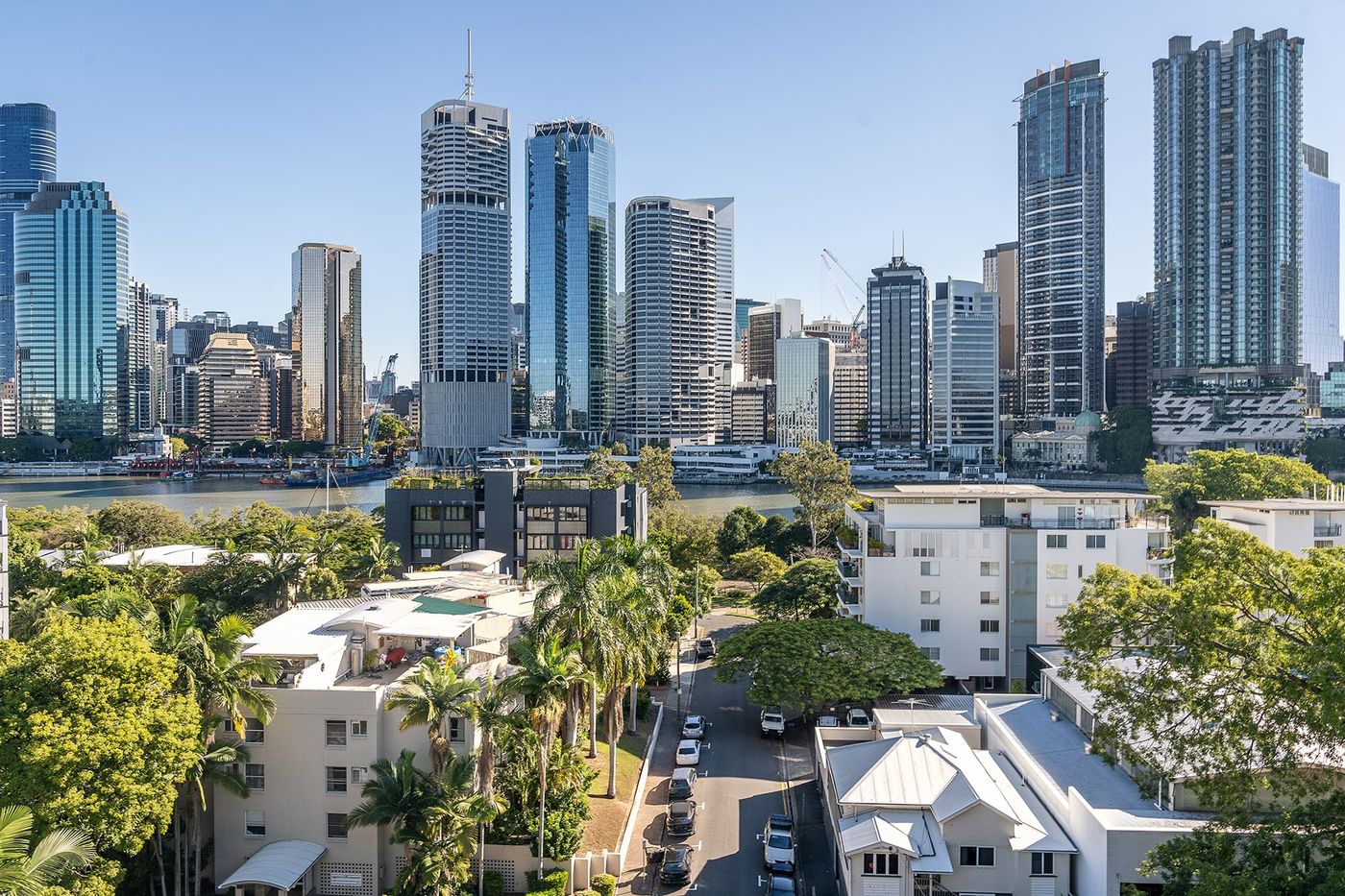
Ongoing growth factors powering Brisbane market - John McGrath
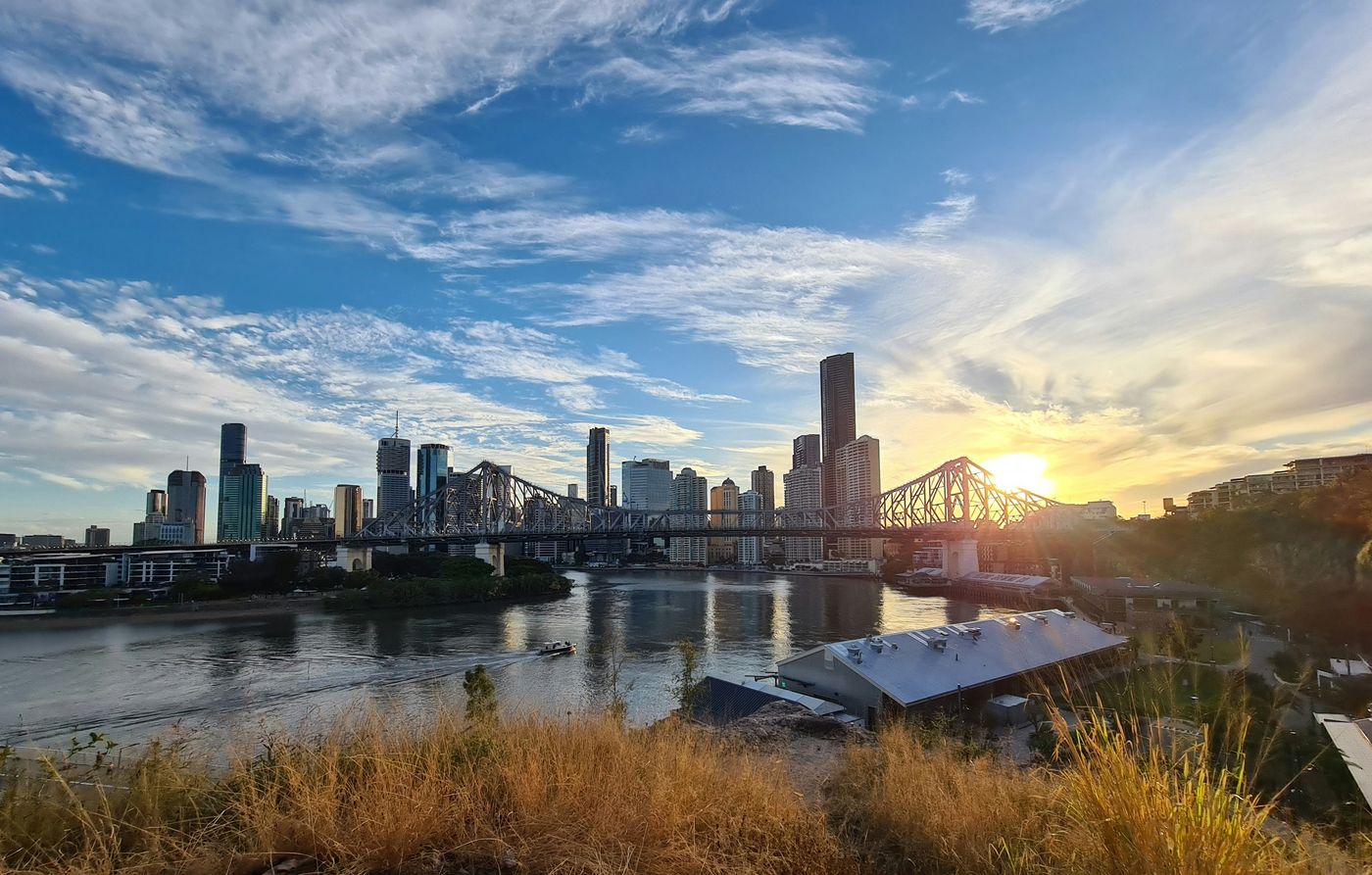
Last year was a landmark year for Brisbane, with the Olympics host city briefly taking the silver medal position among Australia’s capital cities in the property price stakes.
In May 2024, Brisbane’s median dwelling value leap-frogged Canberra to record the nation’s second highest city median dwelling value, behind Sydney’s gold medal spot. Brisbane last held this second placed position way back in 1997.
The achievement reflected strong price growth over the past four years. Since the start of COVID-19 to June 2024, Brisbane median dwelling prices have soared by a staggering 61.5%, compared to a combined capital city price growth of 32.6% in the same period.
As discussed in the McGrath Report 2025, there are a range of likely factors behind the price growth.
Firstly, Brisbane has continued to experience steady population growth, thanks in the main to overseas and domestic migration.
Already burgeoning from an exodus of locked down Sydneysiders and Melburnians fleeing north during the pandemic, Brisbane’s population surged by a further 3.1% in FY23, reaching a total of 2.71 million, according to the Bureau of Statistics. This was the third highest population growth rate of any capital city in the country, after Perth and Melbourne.
A strong pipeline of infrastructure works, some needed to deliver the 2032 Olympic Games, may also be assisting dwelling price growth. Upgrades are planned for the Queensland Sports and Athletics Centre (QSAC) and Suncorp Stadium, with the government also exploring legacy transport opportunities to link the QSAC, QEII Jubilee Hospital and Griffith University with city precincts.
Major construction works have begun for the Brisbane Metro, which will link 18 stations on two lines from Eight Mile Plains to Roma Street, and Royal Brisbane Women’s Hospital to The University of Queensland.
The 10.2km Cross River Rail project, which includes twin tunnels running under the Brisbane River and CBD and four new underground stations at Boggo Road, Woolloongabba, Albert Street and Roma Street, is set to be completed this year.
Construction of the 37.8km Direct Sunshine Coast Rail Line, which connects the North Coast Line at Beerwah to Maroochydore via Caloundra and Birtinya, is set to begin next year.
Strong first home buyer activity has supported Brisbane’s property market. In FY23, Queensland had the highest per capita usage, out of any Australian state or territory, of the Federal Government’s First Home Guarantee scheme (under which the government guarantees the home loans of eligible first home buyers). And the trend is set to continue.
In June 2024, the Queensland Government announced it had increased, from $500,000 to $700,000, the value at which first home buyers paid no stamp duty, saving these buyers up to $17,350.
Brisbane’s housing price and population performance is also rubbing off on surrounding areas. In FY24, median home values at the Gold Coast’s Southport increased by 15.58% to $895,461, and at the Sunshine Coast’s Buderim by 15.96% to $1,110,111. In North Queensland, Townsville is the key area to watch, thanks to its relative affordability, laidback tropical lifestyle and access to health and education facilities. Median dwelling prices in the city rose by 20.11% to $471,942 in FY24.
Given Brisbane’s strong population and migration growth, infrastructure spend and support for first home buyers, and its Olympic City status, there is every reason to expect that property price growth will continue in the city, and surrounding areas, in coming years.
Check out my top suburb picks in Brisbane, the Gold Coast and Sunshine Coast in the McGrath Report 2025.
By
John McGrath
February 2, 2025
3 min read
Share this Article