Compact, energy efficient, flexible: the new Australian home – John McGrath
Australia’s property market is changing fast, with strong housing gains and values across the nation generally being the norm. Yet our properties themselves have also undergone major transformations in recent decades.
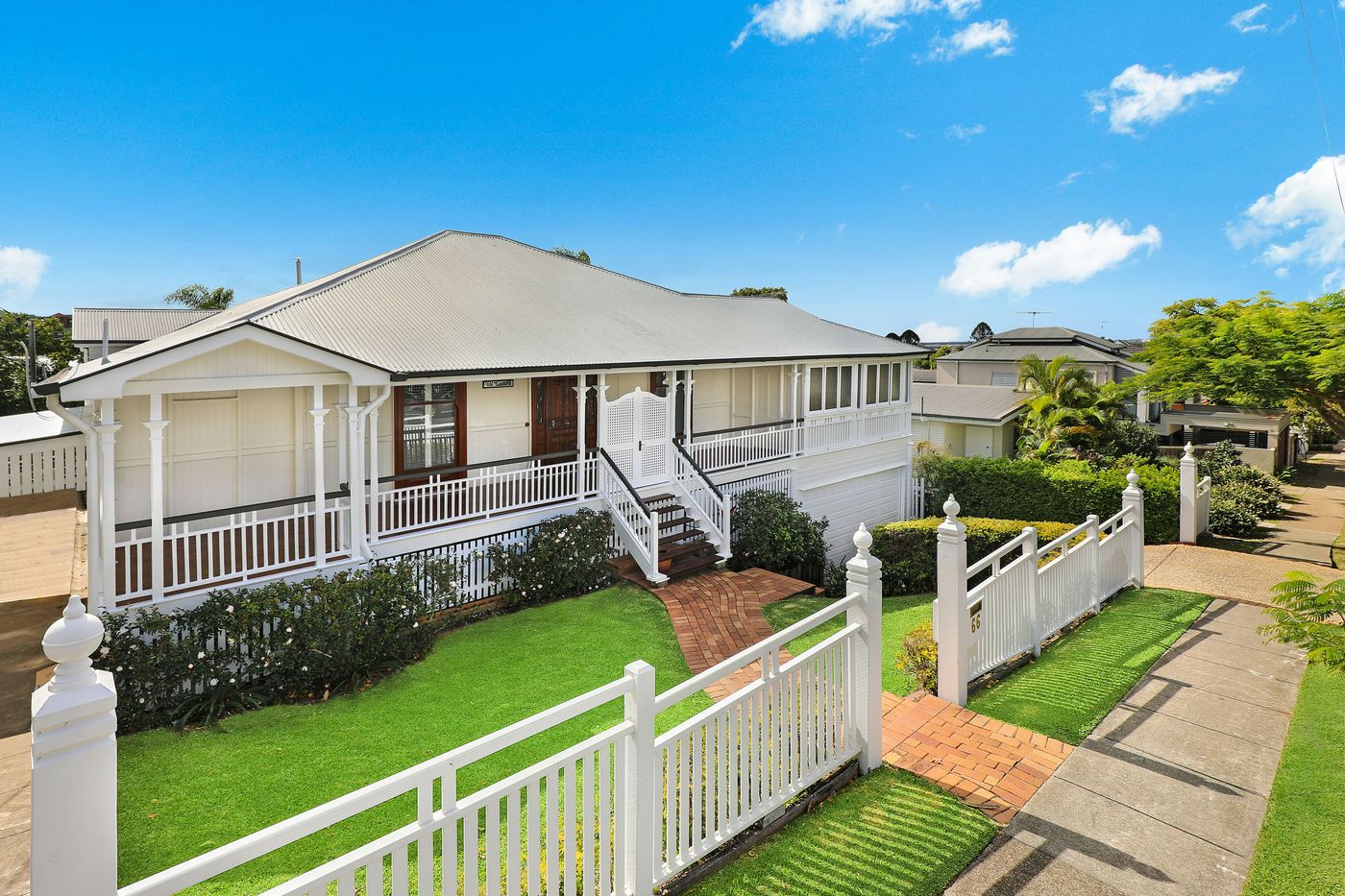
The typical Australian home is no longer large, brick veneer and freestanding, on a generous block. Instead, we’re increasingly seeing compact and energy efficient properties, designed for both living and working, rather than size.
The cost of living and building expenses are helping to reshape properties as well while the greater number of apartments and townhouses in the property mix has further attracted budget and compact-friendly buyers.
So, what does these changes mean for the current and future property market? Does the typical Australian home still have a future, or not? We discuss these issues, and our homes’ major modifications, in our McGrath Report 2026.
According to the Housing Industry of Australia (HIA) in February 2025, while the days of ever-growing suburban homes are not yet over, detached homes are certainly no longer experiencing a size boom. The average size of Australian dwellings has been on a steady, though modest, decline over the past 15 years, according to Australian Bureau of Statistics data.
Australians are now opting for smaller living spaces, due to consumer priorities, economic challenges, and a greater emphasis on efficient land use shift. There is also a greater proportion of apartments in the overall dwelling mix.
A sharp lift in land prices has driven the appeal of smaller homes too. Last month’s HIA-Cotality Residential Land Report found residential land prices grew by more than 500% since 2000. As a result, the median capital city lot size of 391m² in late 2023 presented an 11.1% drop since 2013 and 33.8% since 2003.
Meanwhile, climate change concerns have seen energy efficiency and sustainable living become more important to both buyers and builders. This includes a greater interest in cost-effective sustainable building materials and construction processes.
More people are incorporating recycled materials - such as reclaimed steel, glass and timber - into structural and finish elements. Engineered timber is gaining traction as well, as it offers a compelling economic and environmental choice.
Solar power is also becoming more popular. According to last month’s Clean Energy Council’s Rooftop Solar and Storage report, 183,245 solar batteries were sold across Australia in the second half of 2025. This record figure is more than the previous four years combined. Plus, rooftop solar power’s electricity generation across nearly a third of Australian homes – or more than 4.3 million households – has doubled since 2020.
This increase is thanks partly to a range of government rebate schemes. One of the newest of these is the federal government’s Cheaper Home Batteries program, which launched in July 2025 and gives households, businesses, and community organisations a 30% discount on installing small-scale battery systems.
And, more properties now have power-saving appliances such as energy-efficient lighting and electric heat pumps, rather than traditional gas systems, and smart home monitoring technologies.
So, it’s hardly surprising that owners and developers are no longer treating energy efficiency as an optional add-on – it’s now a core requirement. Home buyers should therefore expect the same inclusions and details in their new home, both now and in the future. Sale prices and buyer attention may also be higher on these properties.
Certainly, the great Australian dream is no longer defined by typical suburban homes on large blocks of land, but by intelligent home designs that respond to our changing climate, economic realities, and lifestyles. From compact footprints and recycled materials to smart energy systems and resilient structures, the future of home design in Australia is not just about where we live, but how we live, and how well our homes can support a more efficient, connected, and sustainable way of life.

By
John McGrath
March 1, 2026
3 min read
Share this Article