Melbourne: delving beyond the data – John McGrath
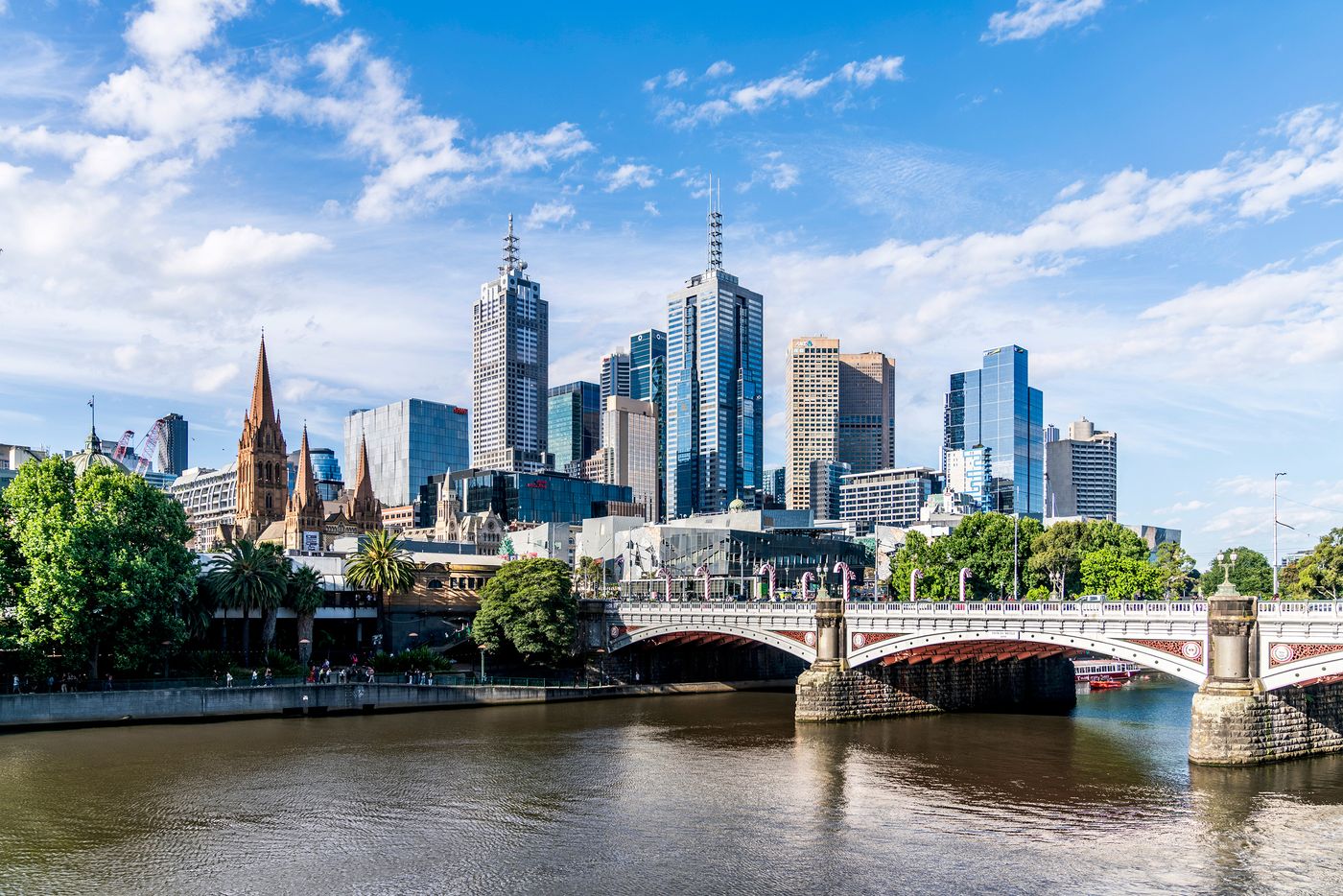
I have previously talked about Melbourne and what it offers to our country’s many eager buyers. As I said then, this capital city can give buyers key opportunities that other, more popular, cities can’t, such as a strong property supply.
At the same time, Melbourne has experienced far slower price growth in the past few years than other capital cities across the country, according to various reports and statistics.
This curious combination is why I want to discuss Melbourne again today. For a start, Melbourne offers a good case for how a strong, long-term supply of housing can significantly impact the market, and in doing so, help buyers.
But first, to the latest Melbourne data from Cotality’s May Home Value Index report, bearing in mind that autumn is a traditionally quieter season for the overall property market. In addition, April included the Easter long weekend while some states had an Anzac Day long weekend too.
Melbourne houses are now selling for a median of $972,734, following a 2.5% annual increase. This is the lowest median in the country, bar Hobart and Darwin, and the lowest growth rate of all capital cities. Melbourne’s unit median of $641,690, after a 0.9% yearly rise, remains one of the lowest, excepting Hobart, Darwin and Canberra.
Meanwhile, in the rental market, the city’s annual rental growth is now outperforming value growth, with the average gross yield on a Melbourne house now 3.25% - the highest figure since March 2015, says Cotality.
So, what do all these figures mean for potential buyers in Melbourne? Well, both luxury and first home buyers are succeeding in this city.
According to Knight Frank’s recently released Wealth Report 2026, Melbourne is one of only two major cities or hub in the world – the other being London – where buying power has increased, rather than dropped, in the past five years.
For international buyers, in particular, the value proposition remains genuinely compelling. Price per square metre across Sydney, Melbourne and Brisbane compares favourably with London, New York, Singapore and Hong Kong.
But Melbourne presents its own opportunity. A modest softening in prices over the past five years has improved buying power at the top end, making it one of the more attractive entry points into a global-tier city at this moment.
And, Australia offers world-class lifestyle credentials while still trading at a meaningful discount to many of its global peers.
Melbourne’s strong property supply also makes it unique. In addition, this supply has been ongoing for many years, with Australian Bureau of Statistics data showing that at least 55,000 homes have been built every year across Victoria, for a decade.
In a recent article for the Real Estate Institute of Victoria, property strategist Cameron Kusher says that the city’s high volume of new, and incoming, listed properties is a key contributor to Melbourne’s much weaker price growth, compared to other capital cities. This high volume is also giving buyers more choice and less competition.
SQM Research shows that in March alone, there were 19,940 newly listed properties in Melbourne – the highest figure of any capital city. The southern city also experienced the largest annual boost of new listings, and a far greater increase than the national 5.4% uptick.
Helping to boost the housing supply is the shrinking of Victoria’s rental market, as investors sell their properties due to land tax changes and tighter rental laws. Yet the combination of less rental listings, federal and state government incentives, and budget-friendly prices, have resulted in more first home buyers entering the market.
It’s for these reasons that I consider Melbourne to be a city well worth watching this year, and beyond. I also encourage potential buyers, including investors, to look beyond Melbourne’s less than impressive statistics and data in recent years, as there is definitely far more to this city than first meets the eye.
And, after all, this is a city that in 2025, and for the third consecutive year, Economist Intelligence named one of the top five most liveable cities in the world.

By
John McGrath
May 11, 2026
3 min read
Share this Article