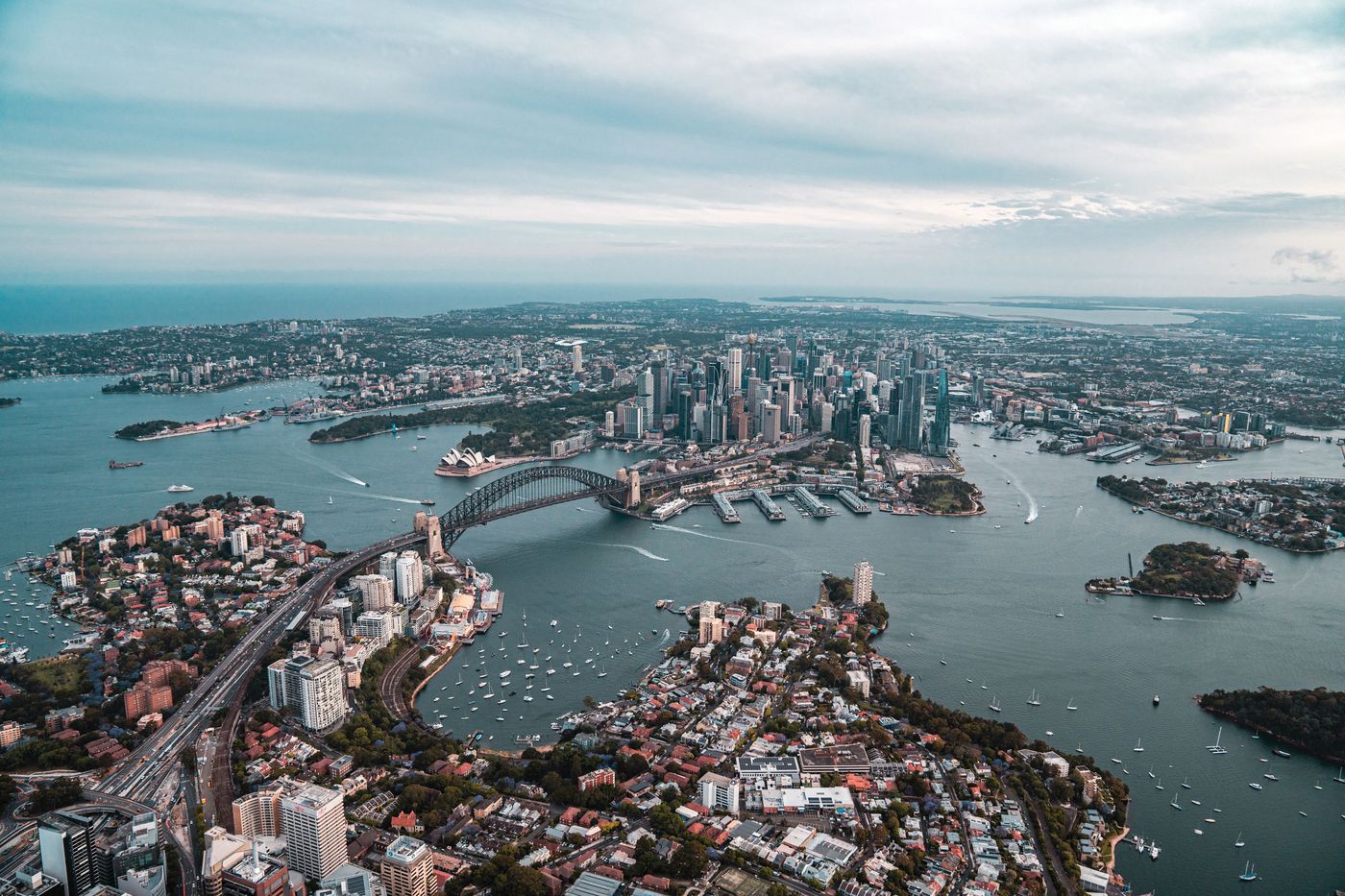
McGrath Report – Sydney’s property market continues to set the pace – John McGrath
Sydney’s property market continued to experience strong resilience in 2025, despite home value growth still falling behind Brisbane, Perth, and Adelaide, along with already elevated prices and cost-of-living pressures.
Yet as we discuss in our recently released McGrath Report 2026, Sydney remains Australia’s powerhouse property market for other reasons as well. Changes to NSW zoning laws aim to fast-track major apartment developments, with the hope that this will encourage more townhouses, semi-detached houses, and boutique apartments to be built near handy amenities. This in turn will suit more buyers’ needs and budgets.
Sydney’s many new transport projects are already giving residents easier access to everyday amenities and simplifying their work commute. Projects such as Sydney Metro, Australia’s largest public transport project, is not only reshaping the city’s connectivity but also unlocking sleeper pockets of affordability, and therefore appealing to property buyers.
Sydney Metro features 46 stations across 113km of new railway lines and four networks which will connect Sydney’s north west, west, south west and greater west areas. The first section, the Metro North West Line, opened in May 2019, with the 15.5km city section between Chatswood and Sydenham opening in August 2024. The extension to Bankstown is due to open in 2026, and is already attracting buyers to previously overlooked suburbs such as Hurlstone Park, Canterbury, and Campsie, which are more affordable than traditional hotspots like Marrickville and Dulwich Hill.
The Western Sydney (Nancy-Bird Walton) International Airport, is also due to open in 2026. It will be about twice the size of Sydney’s current airport terminal, and will include direct links to the Sydney CBD via the Metro. The 16km M12 Motorway will also connect drivers to the international airport, via the M7 and The Northern Road.
Meanwhile, the Parramatta Light Rail from Westmead to Carlingford opened in December 2024, with the construction of Stage 2 linking Parramatta to Sydney Olympic Park now underway.
So, the demand in Sydney from several buyer groups continued in 2025. One of these groups are first home buyers, who remain undeterred from purchasing properties in the most expensive and unaffordable city in the country, as Cotality’s Housing Affordability Report described Sydney last month.
In fact, Cotality’s Monthly Housing Chart Pack in June 2025 found one in four NSW buyers are now first home buyers, which is above the decade average. And, many of these buyers are rentvestors. In fact, NSW leads the country in rentvesting, likely due to easier financing for income-producing properties and high rents pushing young people toward ownership. In its Housing Affordability Report, Cotality noted that in the September quarter of 2025, around one in ten first home buyer loans in NSW were secured for investment properties, rather than owner-occupier ones.
Sydney’s prestige market was buoyant in FY25, recording its strongest first quarter ever. The top 10 sales totalled $384.5 million, according to Dyson Austen Valuers.
In Cotality’s latest Home Value Index, Sydney’s median dwelling value is now $1,256,156, following 4% annual growth. This growth lagged all capital cities except Canberra, Melbourne, and Hobart, with Canberra’s $877,937 median dwelling value following a 3.2% yearly increase. NSW regional dwelling values grew 5.2% across the year to reach $789,928.
While Sydney and NSW remain Australia’s most expensive city and regional markets, and growth was certainly subdued in FY25, possible rate cuts in 2026 could reignite demand. Early movers stand to benefit by buying before renewed competition pushes prices even higher.
Check out my top suburb picks in Sydney in the McGrath Report 2026.

By
John McGrath
November 30, 2025
3 min read
Share this Article