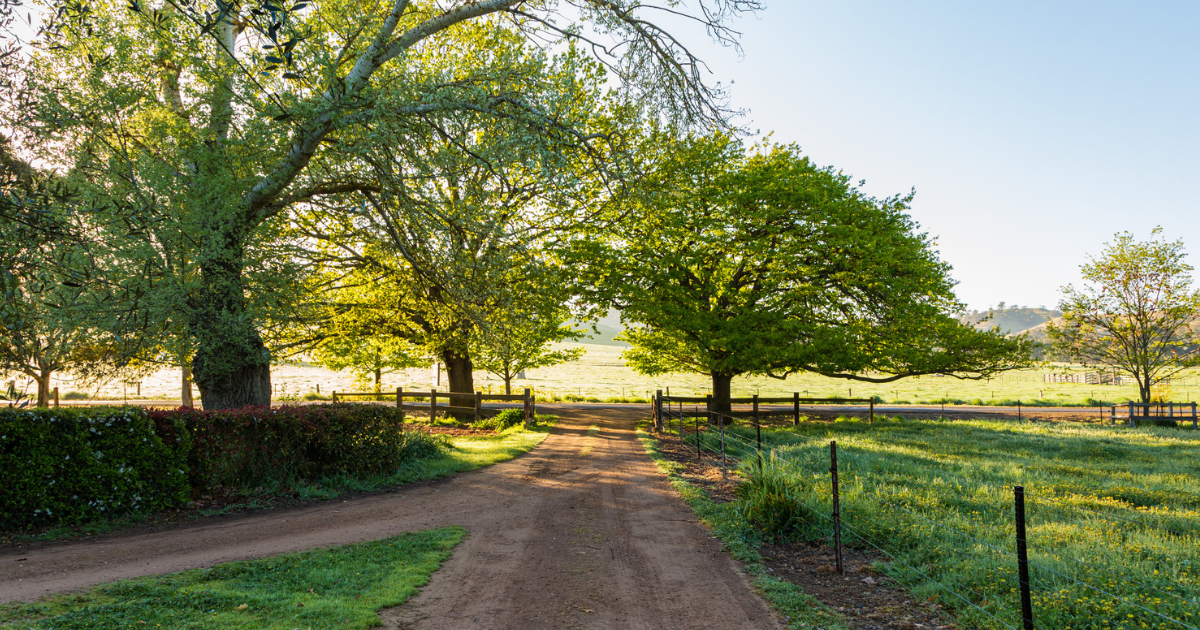
Victoria Rural Market Report H2/26
Rural Victoria is entering a more balanced phase, with softer farm profitability, elevated operating costs and lower transaction activity contributing to a more measured rural property market. While long-term demand for quality agricultural land remains intact, seasonal uncertainty and changing commodity conditions are encouraging greater caution across the sector.
Victoria's rural economy is also facing a more challenging production environment. Farm profitability is forecast to weaken, with average broadacre farm business profits expected to fall 39% in 2026-27 as lower production volumes and persistently high costs weigh on performance. At the same time, farm input prices are forecast to rise a further 1.7%, maintaining pressure on margins despite some easing in fertiliser costs.
Economic and seasonal drivers
The economic outlook remains mixed for rural producers. Australian economic growth is forecast to slow to 1.5% in FY27, while inflation is expected to remain elevated at 3.3%. Higher borrowing and operational costs continue to influence business and investment decisions across the agricultural sector.
Seasonal conditions are expected to play an important role over the coming year. The Bureau of Meteorology forecasts below-average rainfall across parts of Victoria from November to January, alongside warmer-than-average daytime and overnight temperatures. Increased bushfire risk is also expected across parts of East Gippsland, western Victoria and the state's central regions, creating additional challenges for rural operators.
Rural property market
Rural property activity has softened considerably. Victoria recorded 878 broadacre farmland sales in 2025, down 24% compared to the previous year and well below long-term averages. Despite lower transaction volumes, Victoria continued to account for 24% of all rural property sales nationally.
Property values have remained relatively resilient following an extended period of growth. The average rural property price eased by just 0.9% in 2025 to $12,105 per hectare, after increasing 69% over the past five years and 298% over the past two decades. Southern and Eastern Victoria recorded the state's highest average farmland values, highlighting ongoing demand for premium agricultural assets.
Commodities and farm performance
Commodity conditions remain mixed across Australia's agricultural sectors. Livestock markets are expected to moderate, with cattle prices forecast to decline 4.2% and lamb prices 4.6% in FY27 following strong gains in the previous year. Farm profitability is also expected to weaken, with lower crop and livestock production volumes impacting incomes.
More positive conditions are emerging across several agricultural commodities. Global wheat prices are forecast to rise 23.0% in FY27, while wool prices are expected to increase 15.3% and cotton prices 12.3%. Dairy, poultry and horticulture sectors are also forecast to record modest growth, helping support parts of the broader agricultural economy.
Outlook
Rural Victoria is moving into a period of stabilisation, characterised by softer transaction volumes and modest price adjustments following several years of strong growth. While producers continue to face cost pressures, weather variability and softer profitability, underlying farmland values remain supported by long-term agricultural fundamentals and limited supply of quality land.
As market conditions rebalance, opportunities are emerging for strategic buyers, particularly in well-located and highly productive regions. With land values broadly holding their gains and national forecasts pointing to continued growth in Australian farmland values during 2026, Rural Victoria remains well positioned for long-term investment and agricultural production

Contact
Michelle Ciesielski
October 19, 2026
8 min read
Share this Report